Yash Sachan

I build backend systems that stay fast under load.
and correct while they do.

Distributed systems · Performance engineering · Cloud native infra · Backend architecture000
Zanskar logo
01/Current

Zanskar Securities

Analyst · Software Engineer

Jul 2025 — Present

Bengaluru, India

nubra.io ↗

Building sub-millisecond order execution infrastructure for Nubra — an in-house fintech trading platform serving retail and institutional users.

Msg / sec
50K+

Msg / sec

P99 drop
35%

P99 drop

GC saved
40%

GC saved

Latency
<1ms

Latency

  • 01Designed low-latency Golang services using advanced concurrency patterns — goroutines, channels, and worker pools — for high-frequency trading workloads.
  • 02Built batch-based WebSocket pipelines that aggregate and stream market and trade data in real time, cutting network overhead and lifting client-side throughput.
  • 03Used NATS JetStream for durable event streaming, and integrated Python alerting pipelines for live monitoring.
  • 04Distributed the order book across custom ring-buffer structures, cutting GC pressure ~40% and P99 latency 35%, profiled with Go pprof.
  • 05Integrated NSE, BSE, MF and IPO platforms over SOAP and Open APIs, enabling real-time data ingestion and order workflows.
  • 06Engineered core Nubra modules — order management, portfolio tracking, real-time market feeds, plus eDIS, Early Pay-in and Pledge settlement flows.
  • Golang
  • NATS JetStream
  • Kafka
  • PostgreSQL
  • Redis
  • Python
  • OpenTelemetry
Onefinnet logo
02/

Onefinnet

Software Engineering Intern

Jan 2025 — Jun 2025

Noida NCR, India

onefinnet.com ↗

Worked across the stack — Next.js frontend and high-performance Golang backend — on a fintech platform under production load.

Throughput
25%

Throughput

Manual work ↓
21%

Manual work ↓

Obs. tools
3

Obs. tools

  • 01Contributed to the frontend architecture using Next.js and Material UI.
  • 02Engineered high-performance Golang backend services using goroutines and channels for concurrent request handling — improving throughput 25% and reducing latency.
  • 03Developed an internal chatbot with Go and Azure AI Services, using concurrency patterns for parallel workflow execution across multiple users, cutting manual tasks 21%.
  • 04Enhanced observability with Grafana, Prometheus and Loki — identified slow endpoints and optimised hot paths.
  • Golang
  • Next.js
  • Material UI
  • Azure AI
  • Grafana
  • Prometheus
  • Loki
Ambill logo
03/

Modulus Technologies

Software Engineering Intern

Jul 2024 — Oct 2024

Remote

Modernised a billing management platform — front to back — for faster loads and a more robust data layer.

Faster loads
30%

Faster loads

Next.js
SSR

Next.js

Deployed
GCP

Deployed

  • 01Migrated the billing management system from React to Next.js, reducing page load times 30%.
  • 02Designed and implemented a backend architecture using PostgreSQL, FeatherJS and GCP.
  • 03Built typed, responsive UI with TypeScript and Tailwind CSS across the billing dashboard.
  • Next.js
  • React
  • TypeScript
  • Tailwind CSS
  • FeatherJS
  • PostgreSQL
  • GCP
Also worth knowing
CP

Competitive programming

  • LeetCode Guardian — rating 2200+
  • CodeChef 4★ — rating 1850+
  • 800+ algorithmic problems solved
NDA

NDA SSB recommended

  • Cleared the NDA SSB — All India Rank 193
  • Leadership under high-pressure scenarios
  • Strategic thinking in officer-selection assessments
02— Selected work

Things I builtand shipped.

06 projects·2023—2025

Index

Trading infrastructure · Platform · Product · Real-time · Commerce · Storage platform

03— Toolkit

What I reachfor first.

Go · distributed systems · retrieval
AIAgentic engineering

I ship with agents,not autocomplete.

I run Claude Code as a harness: parallel sub-agents explore, plan and build, while I own the architecture and review every diff.

Claude Code · Sub-agents · MCP · Skills · Hooks · RAG

The workflow
01 · Spec
Plan before code
02 · Delegate
Parallel sub-agents
03 · Ground
Context, MCP, skills
04 · Verify
Tests · benchmarks
05 · Review
Every diff, by me
Primary language

Go

What I build production systems in — trading engines, real-time pipelines, distributed services. Chosen for its concurrency model and its predictable latency under load.

Systems language

C++

For the performance-critical paths — order books, memory-tight engines — and the language behind my competitive programming. Raw control, zero-cost abstractions.

Infrastructure as codeTerraformAnsible
Working knowledge27 tools · 7 domains
Languages
  • Go
  • C++
  • TypeScript
  • Java
  • Python
Infra & observability
  • Google Cloud
  • Docker
  • Kubernetes
  • Terraform
  • Ansible
  • Prometheus
  • Grafana
Backend
  • Node.js
  • Spring Boot
Data & storage
  • PostgreSQL
  • MongoDB
  • Redis
Messaging & streaming
  • Kafka
  • NATS
AI & retrieval
  • RAG pipelines
  • pgvector
  • Qdrant
  • LangChain
  • OpenAI API
Frontend
  • React
  • Next.js
  • Tailwind CSS
Off the record
04— Background

Briefly,about me.

Greater Noida → Bengaluru
YS®Open to work

I build the partsnobody sees.

Order execution, event pipelines, the storage underneath — the machinery that only gets noticed when it stops. Most of my time goes to making things faster without making them wrong, which is a harder trade than it sounds.

I'm from Greater Noida, now based in Bengaluru. I studied Computer Science at IIIT Sonepat, and spent most of those evenings on competitive programming — it still shows in how I approach a problem: work out the bound first, then write the code. Outside work I lift, and I write up what I learn.

Go · Kafka · NATS · Redis · PostgreSQL · Kubernetes

At a glance
Based
Bengaluru, IN
From
Greater Noida, UP
Timezone
IST · UTC+5:30
Focus
Backend · HFT
Writing in
Go
Status
Open to work
Education
2021 — 2025

Indian Institute of Information Technology, Sonepat

B.Tech, Computer Science & Engineering
Sonepat, Haryana

05— Credentials

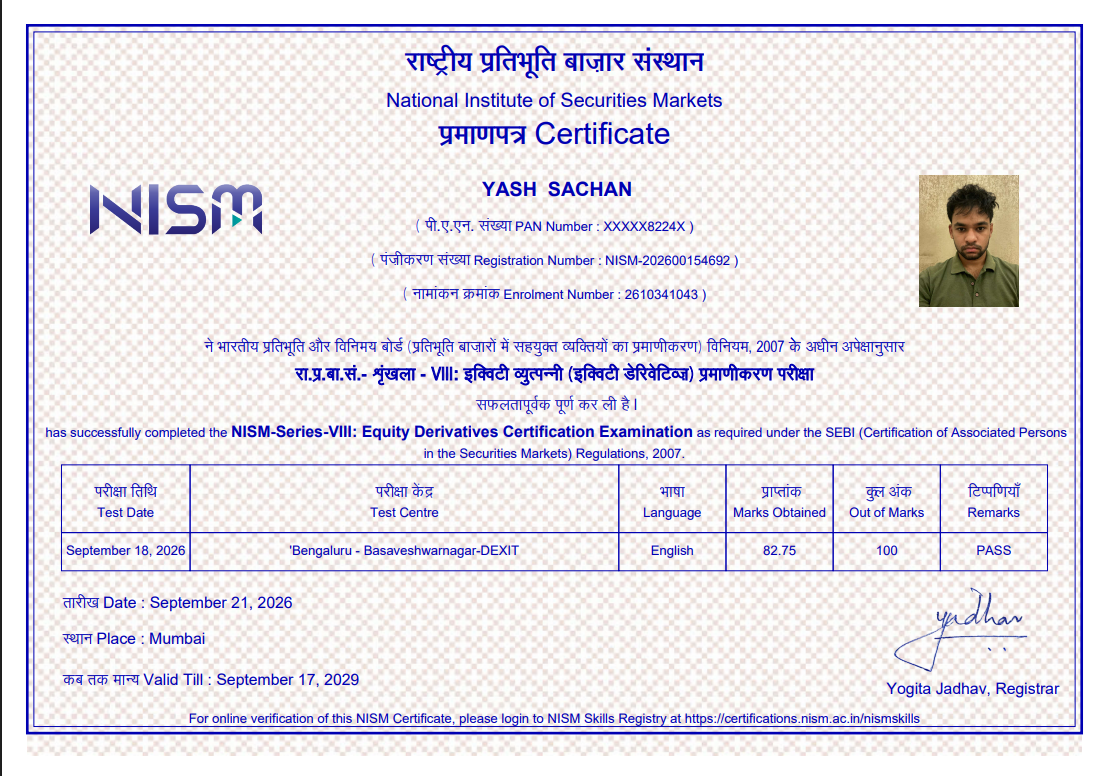
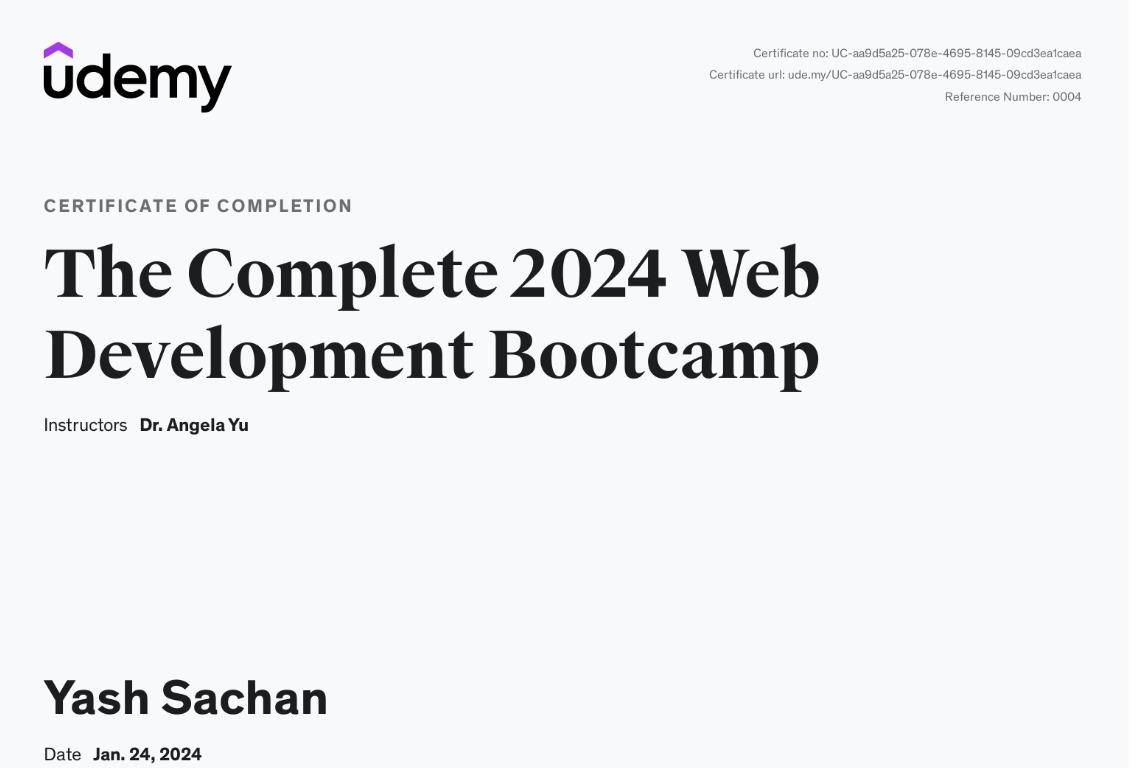
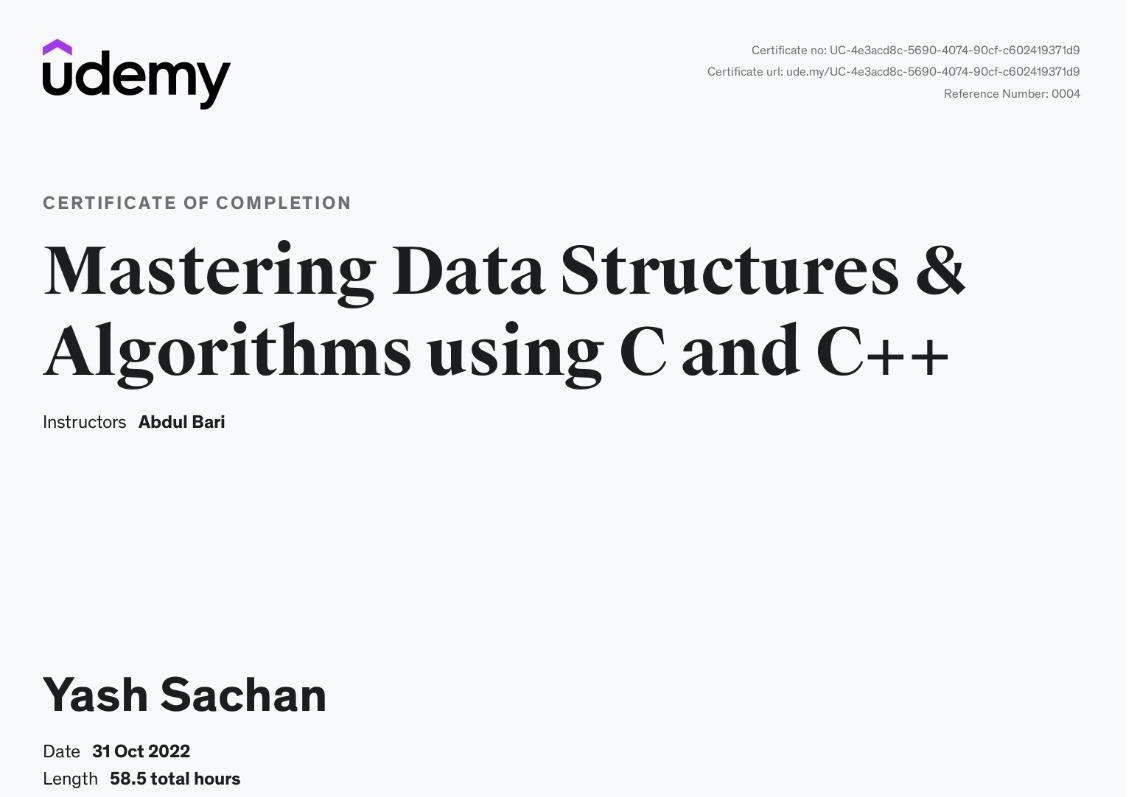
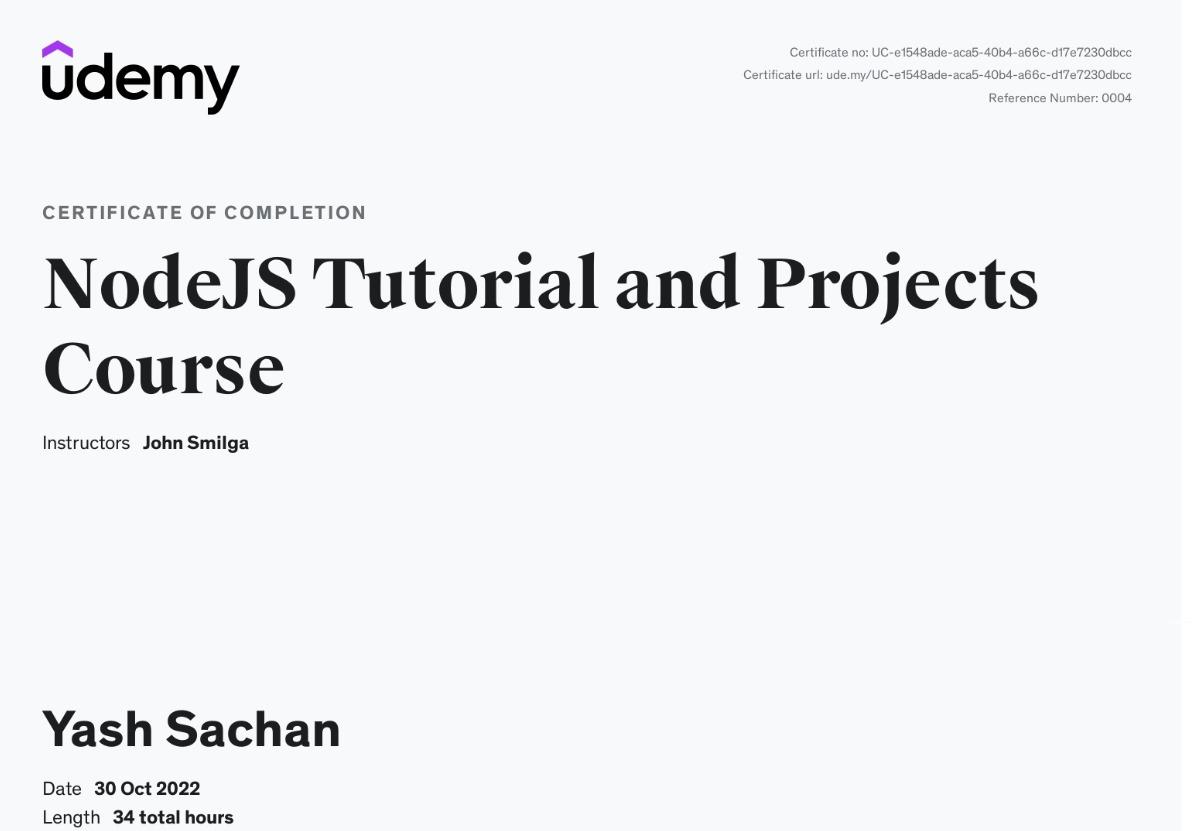
Paper thatbacks it up.

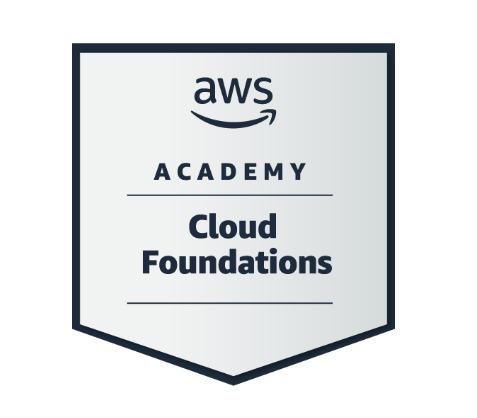
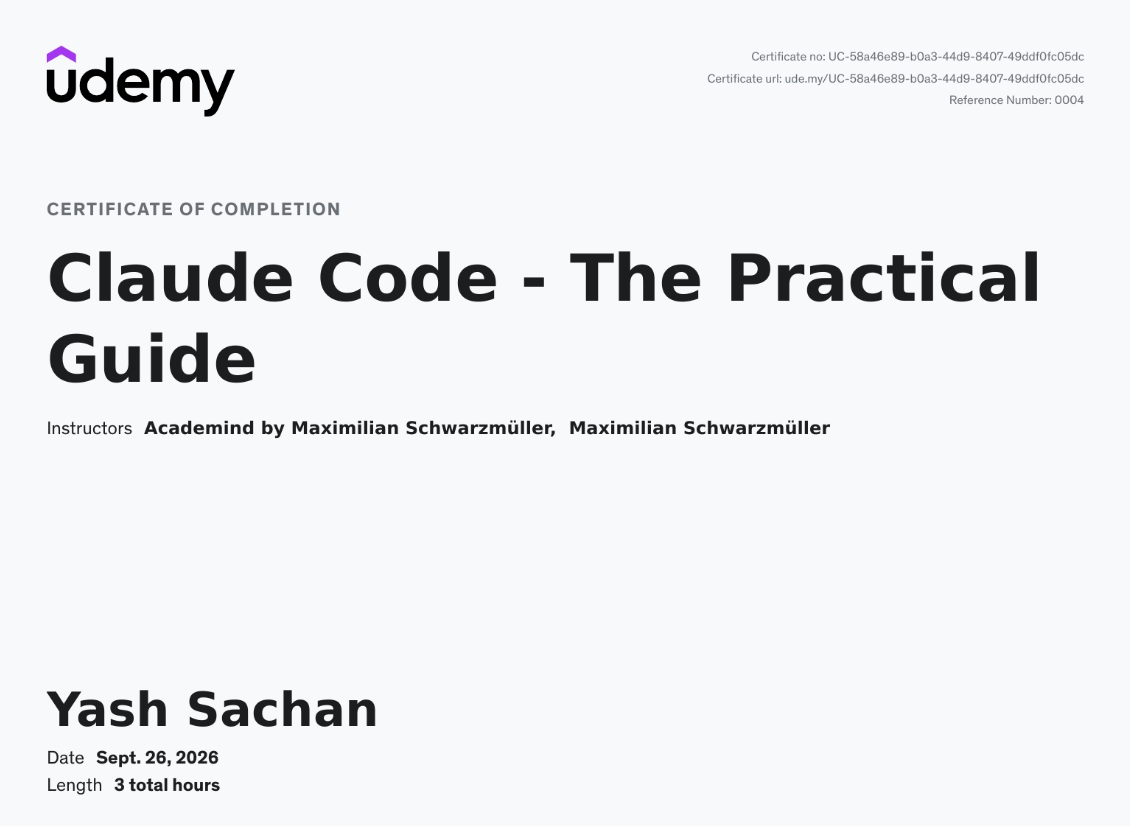
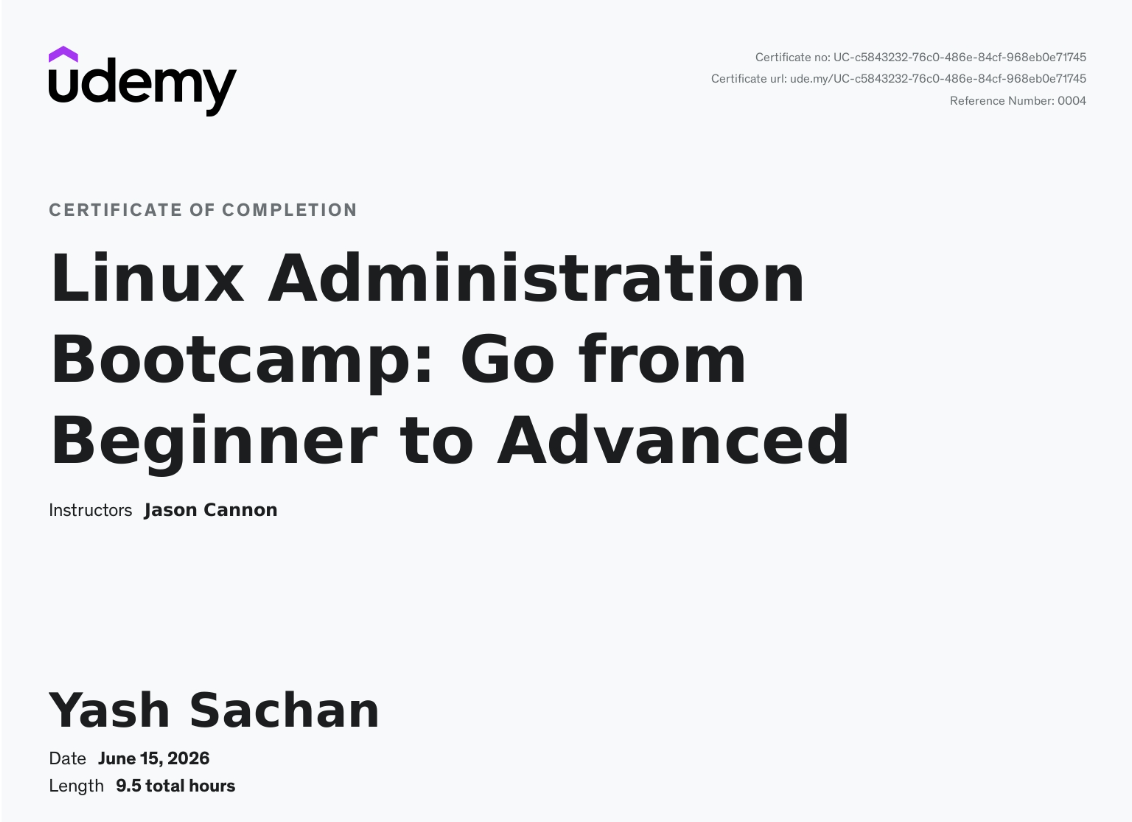
Certifications9 total
06— Method

How I goabout it.

  1. Phase 01

    Architecture

    Scalable system design, database selection, and low-latency architectural planning before a line of it gets written.

  2. Phase 02

    Development

    High-performance gRPC and REST APIs, cloud infrastructure, and distributed service integration.

  3. Phase 03

    Optimisation

    Latency reduction, memory profiling, and stress testing for reliability at peak traffic.

  4. Phase 04

    Deployment

    CI/CD automation, Kubernetes orchestration, and monitoring that catches problems before users do.